I come out and look at the floor myself
I've run this business since 2013, and I still look at every job before we price it. I'll check the cracks and the edges, and I'll ask what the floor has to carry and how you use the garage.
Cracked, flaking or dusty garage floor? I'll tell you straight whether it needs resurfacing or a new slab, then we do the job right.
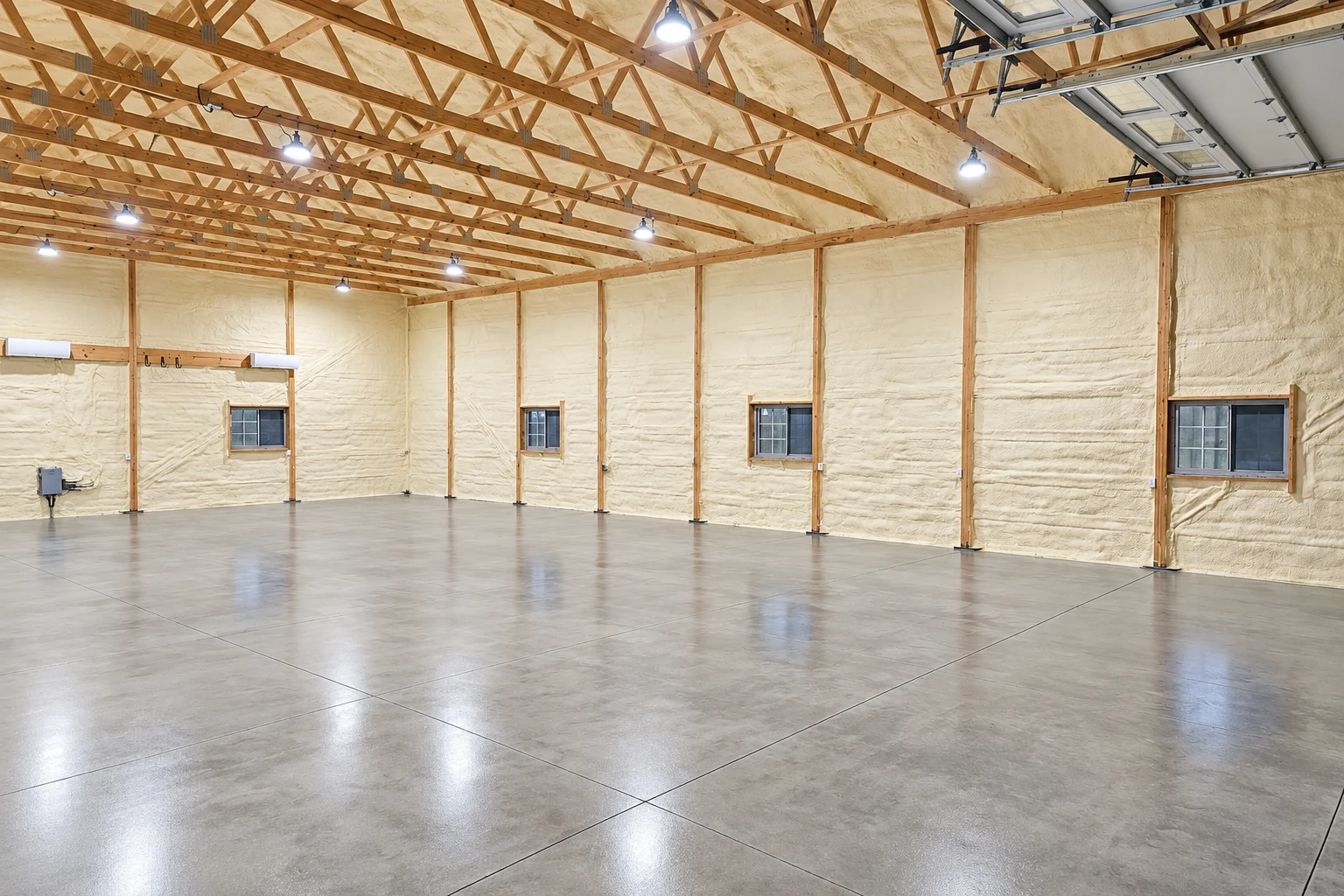
Garage floor concrete in Rancho Cucamonga is one of two jobs. We either put a new surface over the slab you have or pour a new slab in its place, and the kind of damage decides which one your floor needs. With a new slab, you'll be parking in the driveway for a while as it cures.
Hairline cracks, a top that's flaking off and a floor that leaves powder on your shoes are surface problems, so those are usually resurfacing jobs. Deep cracks, cracks that keep getting wider, a slab that's heaved, dirt washed out from under it or tree roots lifting it are a different story, because no product spread on top fixes what's going on underneath. I'll look at it and tell you straight which one you've got, even if it's not the answer you wanted.
Size and that call drive most of the price, since a new slab means breaking out and hauling off the old one before we pour. Reinforced slabs cost more per square foot than plain ones, and staining or a stamped finish adds to it. The schedule turns on curing, the wait while new concrete gains strength, and on a pour day the weather suits. Your written estimate spells out what's included, so you know what you're paying for before anything starts.
You deal with me from the first look to the walk-through, and our own crew does the work. It starts with a call to (909) 552-8210 or the form on this page.
I've run this business since 2013, and I still look at every job before we price it. I'll check the cracks and the edges, and I'll ask what the floor has to carry and how you use the garage.
You get the estimate in writing, with my call on resurfacing or a new slab and a list of what's included. If something on it isn't clear, ask me, because I'd rather sort it out now than after the truck shows up.
Our own trained crew does the work, and I'm there on pour day running it. We're licensed and fully insured.
The first thing I do is decide what the floor needs, because that call sets everything after it. On a resurfacing job, we clean and repair the old surface before the new layer goes down. If you want a coating, we test for moisture first, since a floor poured without a proper moisture barrier can push moisture up and blister the coating off. When the slab has to go, we break it out, haul it off and build a new one from the ground up, in the order laid out below. If the budget gets tight, I'll cut back on the finish before I'll cut the base, because nobody sees the base on day one but it's what keeps the slab from settling later.
A new floor doesn't have to stay plain gray. If you want color or a stained finish, that's our decorative concrete work. Where the garage is cut into a slope and the dirt beside it needs holding back, we build concrete retaining walls as part of the same job.
When the floor needs replacing, this is the order we work in. Every step is there because skipping it shows up later. Concrete can still crack, and these steps are how we keep that in check.
We dig down to firm subgrade, the dirt the slab sits on, and pack it hard, because a base that's only raked level settles and takes the slab down with it. While we're down there, we check where the water runs, so the floor falls toward the door and not back toward the house.
We set the forms to the finished height and lay rebar, the steel inside the slab that holds cracks tight so they don't spread. Garage slabs go in at the thicker end of what's normal for home floors, because they carry your cars.
We time the pour around the weather, because concrete placed in midday heat dries too fast and leaves a weak, dusty top. Then we finish the surface and cut control joints, shallow grooves that give the slab a planned place to crack before it can pick its own.
We keep moisture in the slab while it cures, since concrete that dries out early ends up weaker at the surface. When it's done, I walk the finished floor with you and go over when you can start using it.
Tell us what's going on with the floor, and we'll reply within one business day. I'll come out, look at it and leave you a free written estimate that says whether it's a resurfacing job or a new slab. There's no pressure to book.
(909) 552-8210A concrete slab in the Inland Empire usually costs about $7 to $14 per square foot. That's the going rate around here, not a quote from us. Where your floor lands in that range depends on the size, the steel and the extras covered above, and your written estimate gives you the real number for your garage.
It can if the cracks are hairline and the damage is on the surface, but not if the slab has heaved or the cracks go deep, as covered above. Even on a good candidate, one resurfacer maker says old cracks can't be completely stopped from showing through the new layer, especially when the slab has settled or doesn't have enough control joints. I'll tell you before we start whether that's likely on your floor.
You should be able to walk on new concrete within 48 hours, but plan on about a week before you park on it. Full strength takes 28 to 30 days, which is why waiting a week before heavier loads is the safe call. Most owners just plan on parking in the driveway for that week.
If your job needs a permit, we apply for it with the city and keep track of it, so you don't have to. Rancho Cucamonga Building and Safety issues its permits fully online, and it answers technical permit questions at EDRnotification@CityofRC.us if you want to check on your job yourself.
The state licensing board has a concrete class that covers contractors who form, pour, place and finish flat concrete work, and a garage floor is exactly that. Under state rules, someone without a license can only take on work up to $1,000, and only if the work needs no permit and they don't hire anyone to help, so on a garage floor it's worth asking who holds the license.
When an old slab comes out, the broken concrete has to go somewhere, and the city's Environmental Programs section runs a Construction and Demolition Diversion Program for that kind of waste. We're based in Rancho Cucamonga and do garage floors in many cities around it across the Inland Empire, including Upland, Ontario and Fontana. The dusty, flaking floors and hairline cracks we see here look the same a few miles over.
Call (909) 552-8210 or send the form with photos of the cracks and the rough size of the garage, so I show up already knowing what to look at.
If you're not sure whether your garage floor needs resurfacing or a new slab, call or send a message and I'll give you a straight answer.
Tell us about your project