Mon–Sun: 8 AM–9 PM(909) 552-8210
Truecast Rancho Cucamonga ConcreteTruecast Rancho Cucamonga Concrete

Foundation raising in Rancho Cucamonga CA - a sloping house brought back near level

Doors that stick and floors that slope usually mean the house has settled. We find out why, then bring it back close to level.

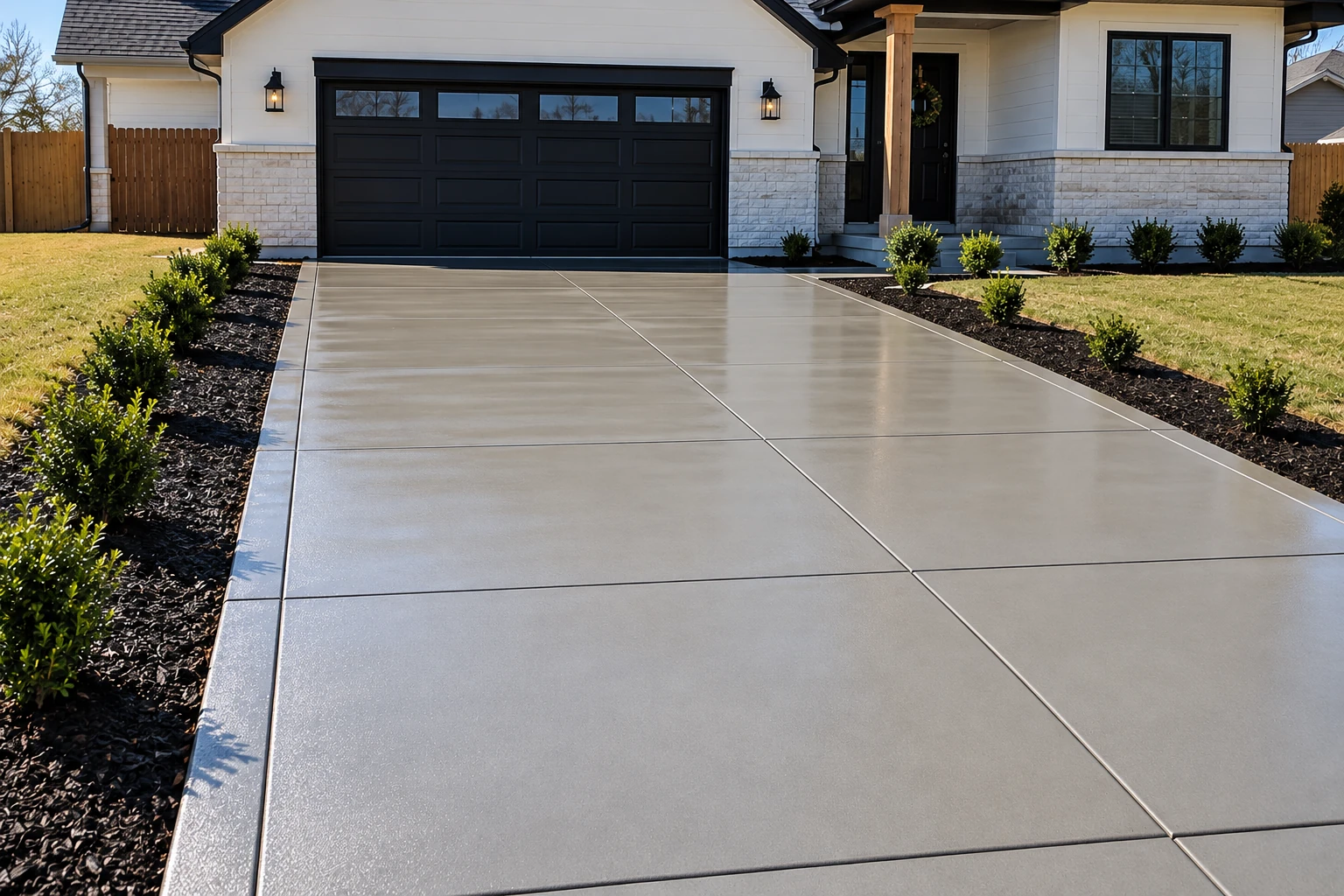
Smooth concrete driveway with control joints leads to a white house with a black garage door, bordered by shrubs.

Does a sloping floor mean my house needs to be raised?

Foundation raising, also called house leveling, lifts a settled house in Rancho Cucamonga back toward level, whether it sits on a concrete slab or on piers and beams over a crawl space.

Sloping floors, sticking doors and cracks over door frames are what usually send people looking for this. The first thing I want to know isn't how far out of level your house is. It's whether it's still moving, because a house that settled 40 years ago and stopped is a different problem from one going down right now, and you need to know which one you have before anyone prices a lift.

Price comes down mostly to the kind of house. A slab house costs more to level than a pier and beam house because the slab has to come up on piers driven down to soil that can carry it, and stucco or brick on the outside adds work since it has to be braced or taken off first. The schedule turns on getting an engineer's report, any permit the city requires and how many piers the house needs, and my written estimate spells out what's included for yours.

What happens when you call us about a settling house?

From the first visit to the final walk-through, you deal with me and our own crew. Nobody gets handed off.

I come out and look at the house myself

I've run this business since 2013, and I still look at every job before we price it. I'll walk the floors, check where they slope and where walls crack, ask what you've noticed and leave you a written estimate that spells out what's included.

Licensed and fully insured

We're licensed and fully insured, which matters when a crew is working under your house. Before you hire anyone for a lift, ask which license they hold, and the FAQ below covers the one the state ties to raising a house.

Our crew does the lift, and I run it

Once you say go, our own trained crew does the work with me on site, so the person who made the call on your house is the one watching it come up. When we're done, we walk the house with you, and our work is satisfaction guaranteed.

How we handle foundation raising

We start with that question from up top, still moving or settled, because it changes the fix. I ask for a structural engineer's report and price the job against it, so you're paying for the plan your house needs and not my guess. Then we look for what made it settle in the first place, because lifting a house that's still sitting on wet ground just sets up the next round of settling. Only after that do we lift.

Raising a house often touches the concrete around it. When we need to open a slab or trim an edge to reach what's underneath, our concrete cutting work makes clean cuts so we don't break out more than we have to. And if your driveway sends water toward the house, which can feed the settling, we can talk about concrete driveway building that drains away from it.

  • Level readings through the house before and after the lift
  • A plan and price built on your structural engineer's report
  • Shimming or replacing piers from the crawl space on pier and beam houses
  • Lifting slab houses on piers set down to soil that can carry the load
  • A look for the cause of the settling before any lifting starts

How the lift goes

Raising a house is slow work on purpose. Here's what our crew does once the plan is set.

  1. Read the floors first

    We take level readings across the rooms before we lift anything, so there's a clear before and after to check the work against.

  2. Get the house ready

    We open up the crawl space or dig along the outside of a slab to reach what's underneath, and brace or remove any outside finish that can't ride along. Careful prep keeps the lift itself clean.

  3. Lift a little at a time

    On a pier and beam house we shim or replace piers from the crawl space, and on a slab house we set the piers and bring the slab up on them. Small moves let the framing, drywall and pipes come along without being forced.

  4. Stop close to level

    Contractors usually bring a settled house to within about an inch of level overall, not dead flat, because pushing past that can crack drywall and break plumbing. I'd rather leave you a little out than leave you with a lot of damage.

Get a written estimate for leveling your house

Call (909) 552-8210 or send the form with your house type, where the floors slope or walls crack, and any engineer's report you already have. We reply within one business day, there's no pressure to book, and then I come out, look at the house and leave you a free written estimate.

(909) 552-8210

Questions about house leveling in Rancho Cucamonga

How much does house leveling cost in Rancho Cucamonga?

Leveling a house across the US usually costs about $3,500 to $30,000 per job. That's a national guide, not our price, and the wide spread comes mostly from slab versus pier and beam and how many piers the house needs. The written estimate I leave you is priced against your house and your engineer's plan.

Do I need a structural engineer before raising my house?

Yes, get one first. Federal guidance on lifting houses says to bring in a structural engineer before raising a slab house, and one cost guide suggests getting the engineer's report and then three bids against it, so every contractor prices the same plan. That's how I'd want to be compared, too.

How long does house leveling take, and can we stay home during it?

Shimming a pier and beam house usually takes 1 to 3 days, and lifting a slab on piers usually takes 3 to 7, depending on how many piers it needs. Most people can stay in the house the whole time, though slab work is loud and means digging around the outside of the house.

What license do you need to raise a house in California?

California's contractor licensing board puts raising, lowering, underpinning and moving buildings, foundations included, under its building moving and demolition class. That class leaves out repairs to the parts of the house that stay in place, so ask any contractor what their license covers before you hire.

Will my house settle again after it's leveled?

A house leveled properly on stable ground shouldn't need it again, so settling that comes back usually means the cause, like soaked ground, never got fixed. Check your floors with a level once a year after the job, and ask whoever does the lift whether your house needs piers rather than shims.

Raising a house in Rancho Cucamonga

The city's Building and Safety office issues permits through an entirely online process, not over the counter, and answers permit questions by email at EDRnotification@CityofRC.us. If your job needs a permit, we apply for it with the city and keep track of it, so you don't have to.

Before I come out, type your address into the state's free EQ Zapp check to see whether your property sits in one of its mapped earthquake hazard zones. Then walk around the house and look for water getting into the ground, like lawn and garden watering or leaks from pipes, tanks or a pool. We're based in Rancho Cucamonga and do this work in many cities around it across the Inland Empire, including Upland, Ontario and Fontana.

Tell us where your floors slope

We're open 8 AM to 9 PM, Monday through Sunday, so call (909) 552-8210 or use the contact form when you first notice the slope.

If a door has started sticking or a floor feels off, tell us about it and I'll come take a look.

Tell us about your project
(909) 552-8210Get an estimate