I walk the lot myself
I've run this business since 2013, and I still come out to every job to look at the ground, the slope and your plans. I ask what the foundation has to carry and how you'll use the space before I write anything up.
Planning a new build and stuck between slab and crawl space? We settle that with you first, then build what suits your lot.
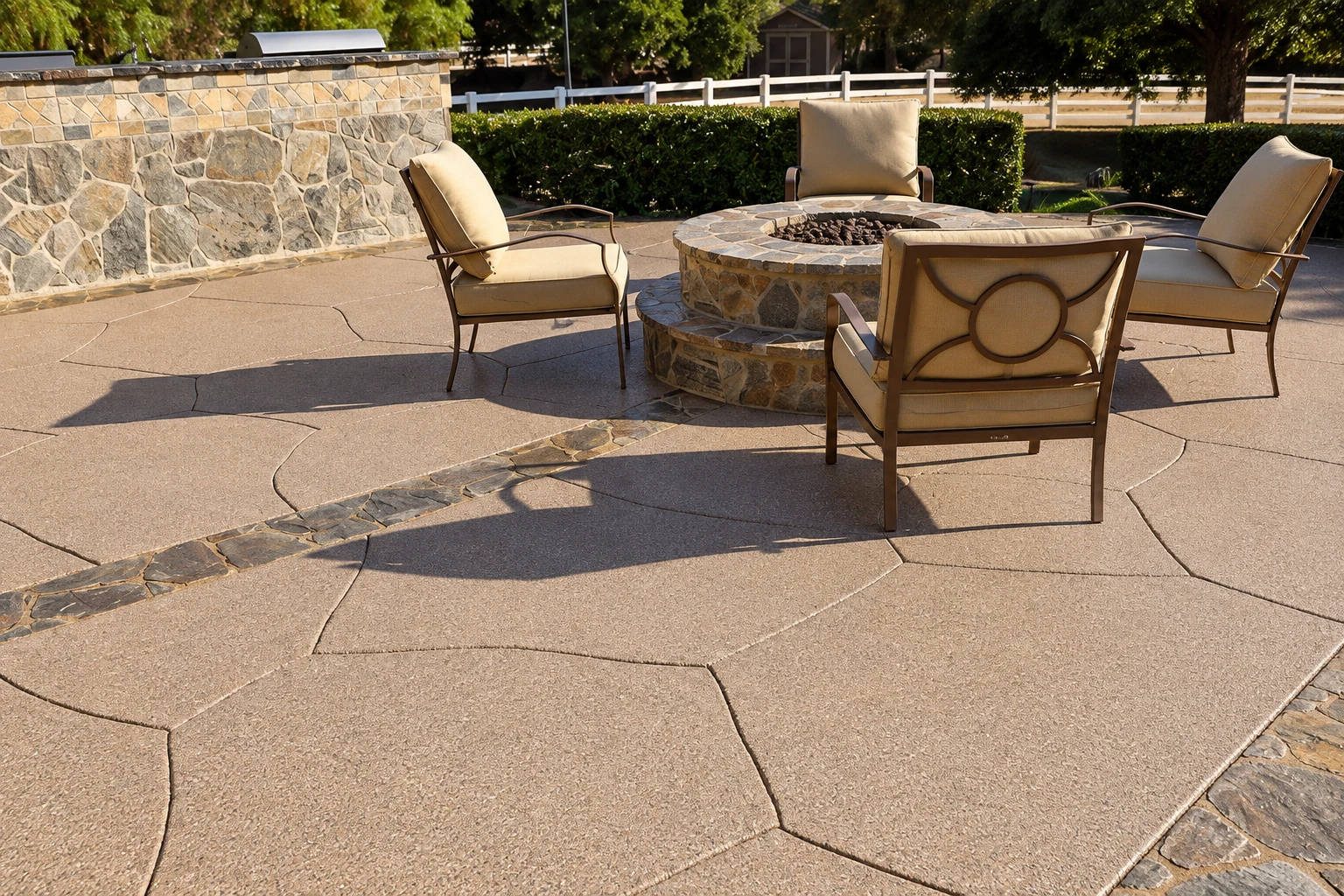
Foundation installation in Rancho Cucamonga means building one of two things under your house. One is a concrete slab poured on prepared ground. The other is a crawl space, with short stem walls and floor joists over open space. Which one you pick decides how fast the project moves and where your plumbing can run.
The price moves with the size of the footprint, which type you choose, how much digging and packing the soil needs, how steep the lot is and how much pipe runs underneath. The schedule turns on that same type decision, the city's plan review, any geologic report your lot needs and a pour day that stays out of the midday heat.
When I come out, I leave a written estimate that spells out what's included, so you see the figure for your lot and what it covers. If your foundation needs a permit, we apply for it with the city and keep track of it, so you're not chasing paperwork.
You deal with me from the first visit to pour day. The city's plan review is the one part of the schedule nobody can rush.
I've run this business since 2013, and I still come out to every job to look at the ground, the slope and your plans. I ask what the foundation has to carry and how you'll use the space before I write anything up.
Your designer of record has to seal and sign each sheet of the plans, and an electronic signature is fine, so that person needs to be on the team before anything goes in. Once the plans are formally submitted, the city's guide puts review at about 10 to 15 working days, and we build that wait into your start date.
California's contractor licensing board describes a concrete contractor as one who forms, pours, places, finishes and installs concrete, and our trained crew does that work on your job with me on site. We're licensed and fully insured.
I start with the big call, slab or crawl space, and settle it early with you and your designer, because it shapes the schedule and where your plumbing can run. Then I look at the soil and the slope, since they tell us whether a standard slab is a sound choice. On a slab, every pipe under it is set for good once it's poured, so we check the layout twice against the plans before the truck comes. After that we build the forms, pour, finish and clean up.
A crawl-space foundation stands on concrete footings, the wider concrete base under each wall, and we also pour footings as a job of their own. If the property needs paved parking too, our concrete parking lot building work can run off the same plans with the same crew.
Most foundation trouble starts in the ground or on a hot afternoon, not in the finish, so that's where I put the care.
We dig the subgrade, the dirt the concrete sits on, down to firm ground and pack it, because a base that's only raked level settles and takes the concrete with it. It's buried by the end of the day and it's the first thing people want to cut, but I'd rather spend your money there than on a prettier surface.
We set forms to the plans and tie in rebar, the steel that holds the concrete together if it cracks. Forms that are out of square now mean walls that are out of square later, so I check them before the truck shows up.
We time the truck to miss the midday heat, because concrete poured hot dries too fast on top and leaves a weak, dusty surface later. Then we finish it and clean up the site.
Curing is the wait while the concrete gains strength, and loading it too soon can damage it. We'll tell you when it's ready for framing.
Call (909) 552-8210 or send the form with the lot address and any plans or soils report you have, and we'll reply within one business day to set a visit. The estimate is free and done at your property, with no pressure to book. Satisfaction guaranteed.
(909) 552-8210The soil and the slope of your lot decide it. General engineering guidance says a standard slab is risky on high-plasticity clay, which swells and shrinks, because that movement can crack the slab over time. A crawl space handles uneven ground well but is prone to moisture problems, so moisture control has to be planned in from the start. I'll look at your lot and any soils report you have before we choose.
A slab cures in 7 to 10 days, while building the stem walls and joists of a crawl-space foundation takes weeks. If you need the project moving fast, that's a fair reason to lean toward a slab, as long as the soil suits it.
The City of Rancho Cucamonga issues its permits entirely online, and we handle that application for you. If your lot sits in an earthquake fault zone, California's rules require a geologic investigation before a new project is permitted, and a geologist licensed by the state writes the report. Those rules cover most buildings people live in.
It can, because any concrete can crack, and I won't promise you otherwise. What we control is the packed base, the rebar and the cure covered above. On swelling clay, we also look at whether a standard slab belongs there at all.
The city's hazards report maps minor areas of liquefaction potential, where wet ground can go soft in a quake, near Hellman Avenue and Baseline Road, and west of Vineyard Avenue south of Baseline Road. Those spots have shallow groundwater, and new development there will require additional analysis. A city map can't speak for a single lot, so a check on your own site settles it.
The same report says being close to the Cucamonga Fault Zone could bring significant shaking to the city, though the chance of a strong earthquake is relatively low. We're based in Rancho Cucamonga and take foundation jobs in many cities around it across the Inland Empire, including Upland, Ontario, Fontana and Rialto.
Slab or crawl space is far easier to change on paper than in concrete, so call (909) 552-8210 or send the form while your plans can still move.
If you've got a lot and a set of plans, I'm glad to come take a look.
Tell us about your project